Crafting
Crafting and stations
Craft by hand and at benches, learn new recipes, and keep fires, furnaces and machines working.
Crafting by hand
Open the Crafting tab of your inventory to make things. Recipes made By hand work anywhere: rope, wooden pegs, stone tools, the Campfire, the Stone Furnace, the Crafting Bench and other starter pieces. A recipe that uses smelted metal, such as Iron Bars or Copper Ingots, needs a Crafting Bench or another station.
Materials come from your pockets, rig and backpack and from storage you can open close by; the safe pocket is used last. You choose the order: My bags first, Nearby storage first, Biggest pile first or A little from each.
The craft queue
Each craft you start takes its materials at once and joins your craft queue. Crafts in the queue run side by side, each on its own timer, and a batch makes its items one after another. Use x1, x5, x25 or Max, or type a number, to make several. Timers keep running while you are offline, and whatever finished meanwhile is delivered when you return. Two Workshop skills help: Quick Hands makes hand crafts faster, and Thrifty sometimes gives an ingredient back.
When there is no room
A finished hand craft first tops up stacks you already carry, then goes into an empty slot it can be equipped in, such as a weapon, tool, light or clothing slot, and the rest goes into your pockets, rig and backpack; it never pushes out what is already there. If a finished item does not fit, or would make you carry too much, it waits in the queue as ready and that craft makes nothing more until it is delivered. The queue then reads Paused: finished items move in once there is room, or the carry-less version. Make space or drop some weight and the item moves in by itself; Claim tries at once. Other crafts in the queue keep going.
Cancelling and dying
Cancel a queued craft with the cross on its row. You get back the ingredients of every item it has not finished, the one in progress included, and you need room to carry them; a finished item still waiting must be claimed first. If you die, your personal queue is lost: crafts in progress, finished items you had not claimed and waiting steps all go, with no refund. Crafts made at a bench carry on and still finish there. Logging out keeps your queue.
Learning recipes
You start with the recipes your starter quests teach. After that you learn a recipe by finding all of its ingredients, or the item it makes, however they reach your inventory: picked up, looted, bought or crafted. You need not hold them at the same time, and what you have found stays found after death. Attachments are learned only by finding the attachment itself, and finding a gun does not teach its magazine or ammunition. Building a bench teaches nothing. A notice tells you when a find unlocks new crafts, and the New tab lists them. Recipes you have not learned stay hidden, and learning one never removes its ingredients or station.
The Crafting page
Tabs sort what you can make, among them Favourites, New, Quests, Materials, Fuel, Food, Stations and Vehicles; search by name or turn on Can Craft Now. Quests lists what your active quests still need you to craft. An item's page says how to get it: how to make it, where it is found, which traders sell it, what uses it, how long it burns as fuel and what it breaks down into. The green Can Craft tag on a row crafts one straight away. When an ingredient is missing but you can make it, Craft missing ingredients makes it first and then the item.
Select a recipe's star to make it a favourite. Favourites have their own tab, come first in the lists and appear on your HUD as Favourite crafts, each showing whether you can craft it now.
The benches
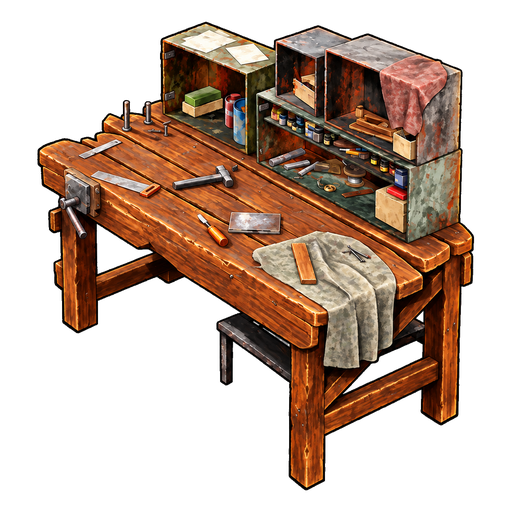
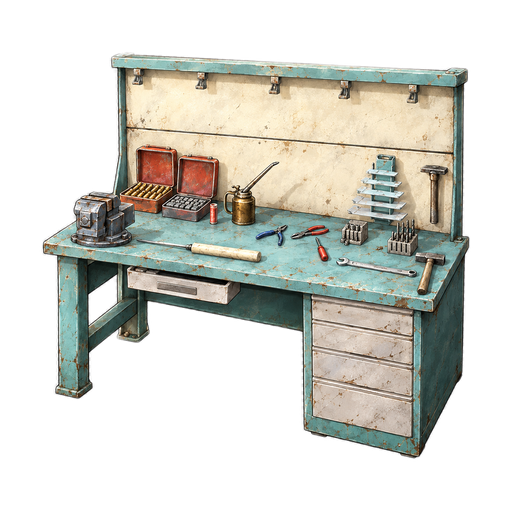
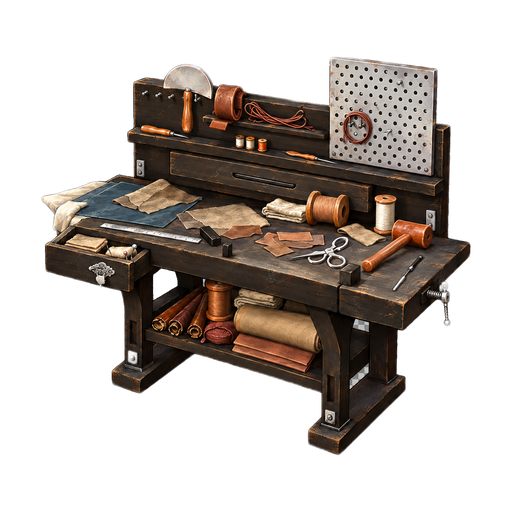
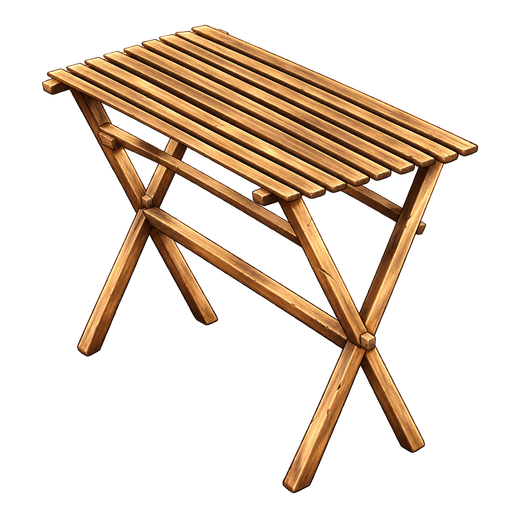
The Crafting Bench is made by hand and makes most of a base: metal building parts, most stations, electrical devices, tools, light and scrap armour, scrap guns, the Code Lock and vehicle kits. The Weapon Bench and the Tailor's Bench are made at a Crafting Bench. The Weapon Bench makes manufactured guns, magazines, ammunition, attachments, the M67, C4 and the Minigun and TADS turrets. The Tailor's Bench makes clothing, bags, tactical rigs and medium and heavy armour. Benches that belong to places around the world can be used by anyone.
Benches also repair. Choose Repair on the item: manufactured guns need a Weapon Bench; metal tools, metal melee weapons and armour a Crafting Bench; military shirts, jackets and boots a Tailor's Bench. Simpler items repair anywhere, and the cost grows with the wear. Equipment and carrying and Weapons cover condition.
Crafting at a bench
A bench recipe needs that bench close by when you start it. The craft is bound to a bench you are allowed to open, your own before a nearer one, and its items go into that bench's output rather than your bags; a notice tells you when they are ready. You can walk away: it still finishes there, even if you die meanwhile. If the output is full, the craft waits until you empty it or cancel. If the bench is no longer there, the finished items come to you instead and wait in your queue to be claimed. On a PvE server only you and your squad can use your benches and stations.
Station recipes and automatic jobs
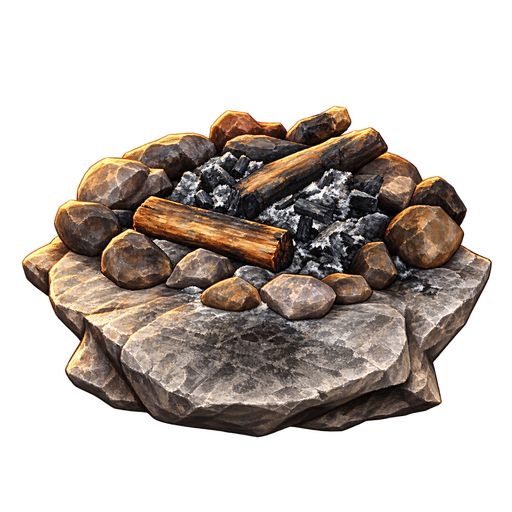
Fires, furnaces and other stations work in two ways. Automatic jobs run from what you put in, such as raw meat, ore or dirty water, and need no learning; the station's Just add tab lists them. A switched-on station starts the next one by itself from the first usable stack in slot order, row by row from the top left, so move a stack there to make it go next. Picked recipes, such as meals and Biofuel, are chosen in the Recipes tab and take their ingredients when you queue them. The Campfire, Gas Stove and Chemical Station also clean Dirty Water Bottles and dirty rain buckets; Cooking and clean water covers safe drinking.
The Campfire cooks one picked recipe at a time, and the Stone Furnace has automatic jobs only. The Gas Stove and Iron Furnace queue several jobs, can queue their automatic recipes too and let you move jobs up or down; they take ingredients from their own slots first, then from storage near the station, then from you. The Chemical Station queues a few jobs from your own materials. Ingredients waiting in a queue keep spoiling, and if they spoil they go back into the station's storage. Anyone who can open a station can cancel a job, and the refund goes to them. A station with jobs cannot be dismantled.
Fuel
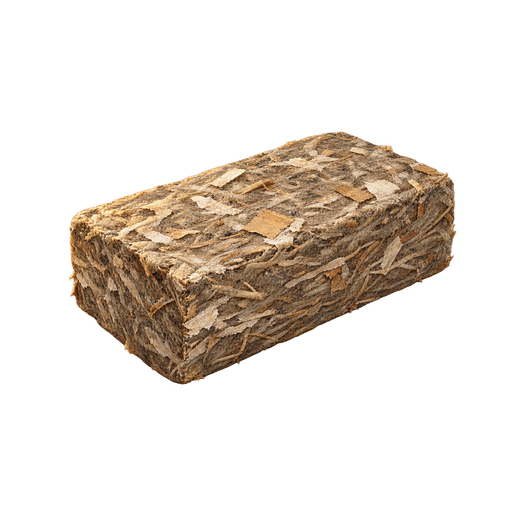
The Campfire, Stone Furnace and Iron Furnace burn wood, wooden pegs, cardboard, plant fibre, feathers, hide, paper and Paper Fuel Bricks. The Gas Stove burns Propane Gas Refills, and the Chemical Station burns Propane Gas Refills or Biofuel. Coal is not a fuel. Fuel goes in the station's fuel slot, where it only burns, one piece at a time. Wood leaves coal behind as it burns; wood put in a furnace's other slots turns into coal and ash instead. The FUEL tag shows how long the fuel will last and, when you point at it, what the station accepts. A station that runs out of fuel pauses its job and switches off: add fuel and switch it on again. The Recycler, Drying Rack, Leather Rack, Seed Extractor and Composter need no fuel, and the Extractor runs on power.
Full stations and time away
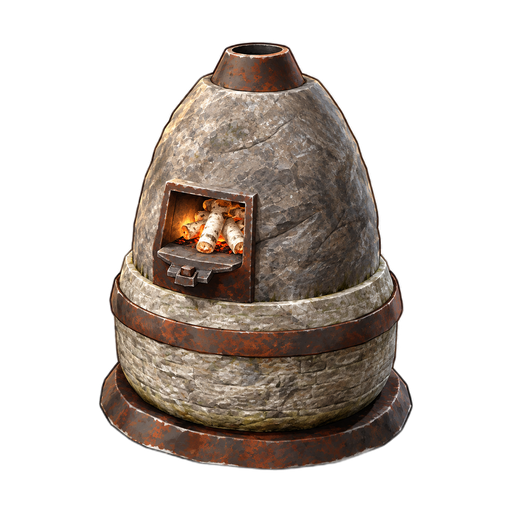
Finished items go into the station's storage. When that is full, the station keeps working and drops the extra on the ground beside it, with a notice to whoever last loaded or switched it on; only the Extractor stops instead and shows Output full. Stations keep working while you are away or offline, as long as the server is running: fuel burns and jobs finish as if you had stayed. Stop when finished switches a station off once it has nothing left to make. It is on by default everywhere except the Campfire, which stays lit for warmth and light. The Recycler and Extractor always switch off when nothing is left. The Campfire and torches go out in heavy rain or a storm unless they have a roof over them, and cannot be lit again until it eases.
Drying, tanning and composting
The Drying Rack slowly turns raw meat into Beef Jerky, and the Leather Rack tans Hide into Leather. The Seed Extractor takes seeds from crops; Farming and fishing covers it. None of these needs fuel or power. The Composter is storage that makes food spoil much faster. Once spoiled, food in it stops changing, and every four Spoiled Food are bundled into a Spoiled Food Bundle. At a Campfire or Gas Stove you can pick a Biofuel recipe that takes three bundles or twelve loose Spoiled Food, and the Recycler turns spoiled food into Ammonium for fertilizer.
Smelting
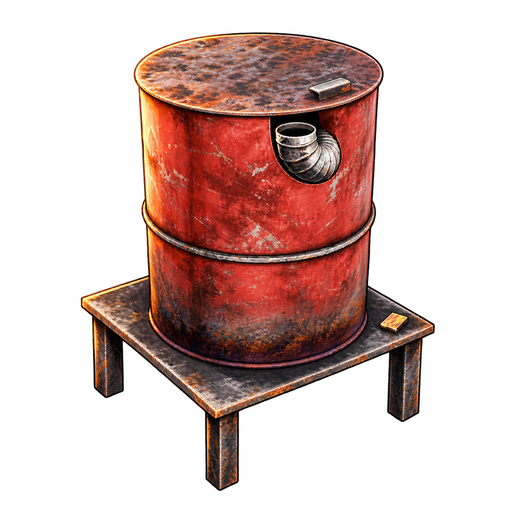
Furnaces smelt by themselves. Iron Ore or Scrap Metal becomes Iron Bars, Copper Ore or Copper Wire becomes Copper Ingots, Sand becomes Glass, and Gold Ore and gold valuables become Gold Ingots, which a furnace can also turn into coins. The Stone Furnace is made by hand. The Iron Furnace is made at a Crafting Bench, works faster, needs less ore for each bar and also melts Nails and Casings and Bullets back into Scrap Metal. Most metal recipes need smelted metal, so build a furnace early.
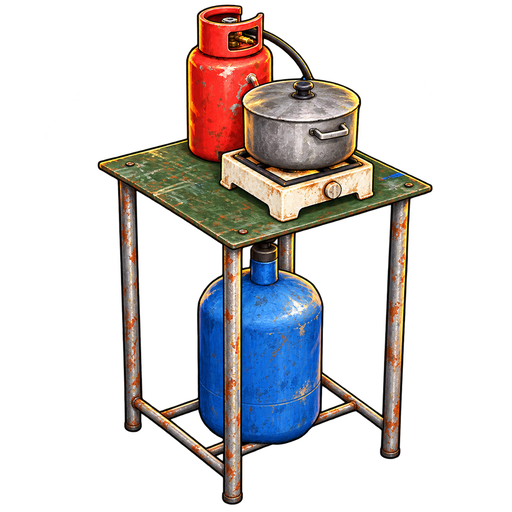
The Chemical Station
The Chemical Station is made at a Crafting Bench and burns Propane Gas Refills or Biofuel. Biofuel burns out far sooner, but it lets you start the station with Biofuel from a Campfire and then make your own Propane. By itself it turns Soil into Nitrate, Copper Sulphide into Lead, Gunpowder Mixture into Gunpowder, and Animal Fat or Crude Oil into Propane Gas Refills for itself and the Gas Stove. Its picked recipes make Crude Oil, Refined Oil, Plastic, Gasoline, Saltpetre and Fertilizer. Copper Sulphide and Gunpowder Mixture are made at a Crafting Bench, so lead and gunpowder need both.
Recycler and Extractor
Both break items down into materials, and both take the same items. The Primitive Recycler is made by hand and needs no fuel or power. The Extractor is made at a Crafting Bench, runs on power, works faster and gives back more. What comes out varies each time; an item's page lists the most it can give. Both switch themselves off when nothing is left. An item that still holds rounds, attachments or contents is not taken and is marked in its slot: a gun or magazine shows a Strip button that unloads it and takes off its attachments, and a bag must be emptied first. Paper junk can also become Paper straight from your inventory with Convert to paper. Power basics covers wiring the Extractor.

When a craft is refused
Read the reason the game gives. Missing materials: the recipe shows what you lack, and Craft missing ingredients may make the steps in between. Needs a bench or station: stand close to the right one, and it must be one you are allowed to use. No room or too heavy: make space and the queue delivers by itself. A station will not start: check its fuel or power, that it has a full batch of inputs and that they are not inside another item; with Stop when finished on, it tells you what is short. A fire will not light in heavy rain or a storm without a roof. Only hand and bench crafts count for quests that ask you to craft something; cooking and smelting at a station do not.
Benches
Selected items: 3
Fires and furnaces
Selected items: 4
- CampfireA placeable campfire for cooking food and boiling dirty water.
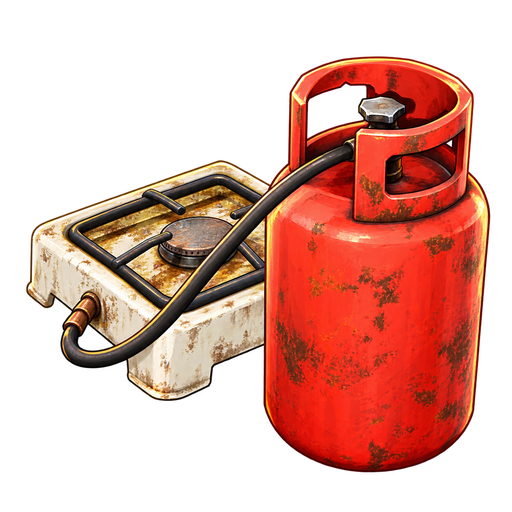 Gas StoveA gas stove used to prepare more advanced meals and provide light.
- Stone FurnaceA stone furnace that smelts raw materials into useful resources.
- Iron FurnaceAn iron furnace that smelts raw materials into useful resources. More efficient than the stone furnace.
Processing stations
Selected items: 7
- Chemical StationMixes chemicals and compounds minerals and elements into new materials.
- Primitive RecyclerBreaks simple items down into base resources. Slower than an extractor, with a lower yield, but needs no fuel.
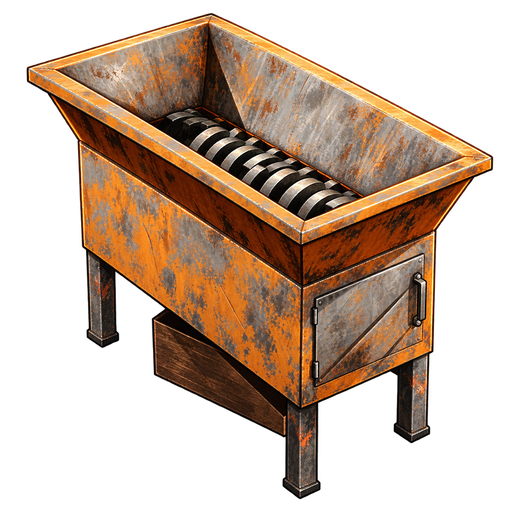 ExtractorBreaks down metal and complex items faster than a recycler, for a higher yield. Runs on electricity.
- Drying RackA drying rack for preparing dried foods.
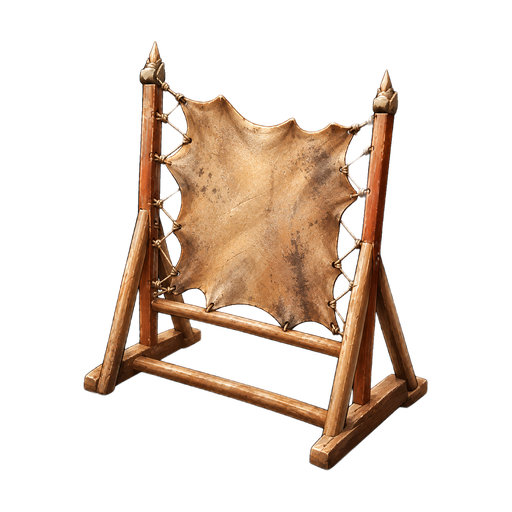 Leather RackA rack for preparing leather.
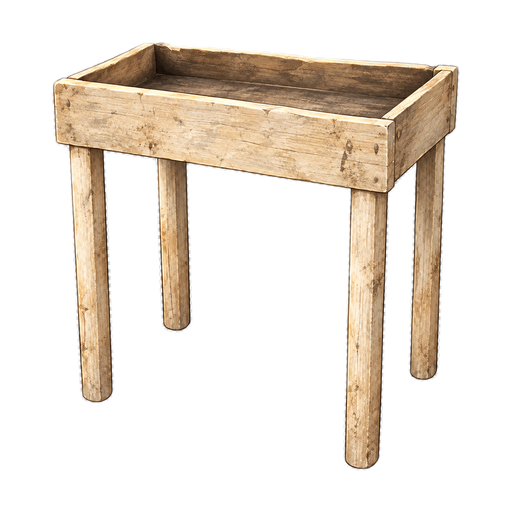 Seed ExtractorA seed extractor. Breaks plants down to extract their seeds.
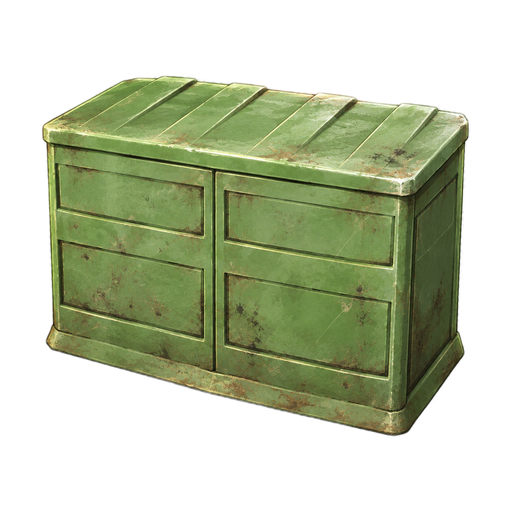 ComposterStores items and makes them decay faster. Spoiled food inside is bundled together.
Station fuel
Selected items: 6
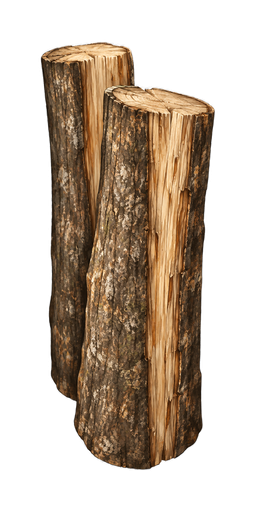 WoodWood for building and crafting.
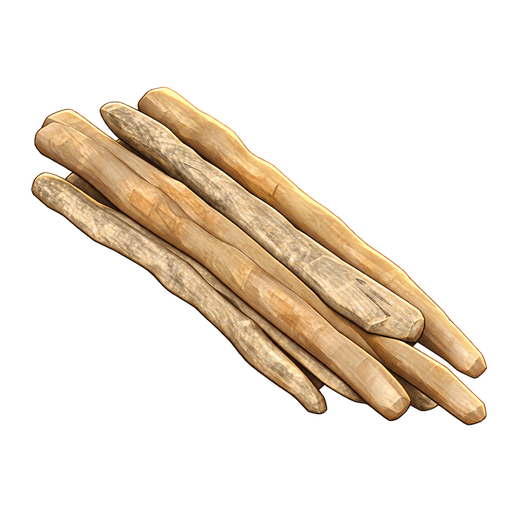 Wooden PegsSmall wooden pegs used like nails for primitive building
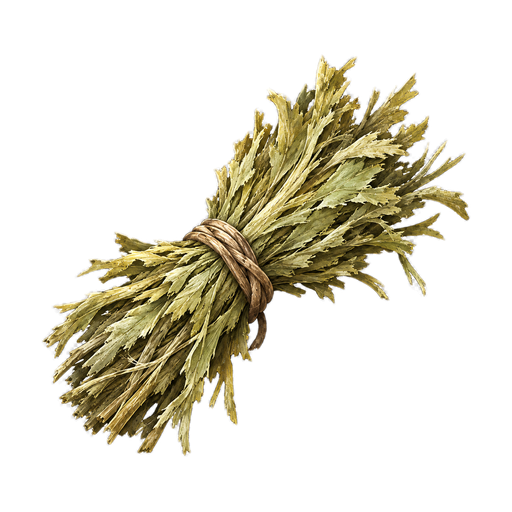 Plant FiberPlant fibers collected from small bushes which can be crafted into other materials
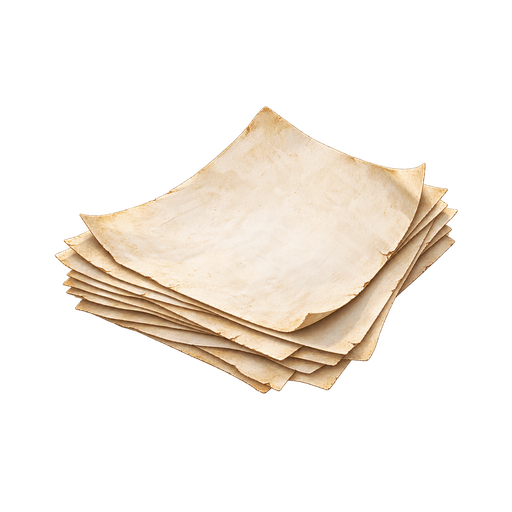 PaperPaper. Quick kindling for fires, furnaces and torches, and pressed into Paper Fuel Bricks. Recycle books, newspapers and packaging for more.
- Paper Fuel BrickPaper Fuel Brick. Paper or cardboard pressed with animal fat; burns as long as ten wood logs in fires, furnaces and torches.
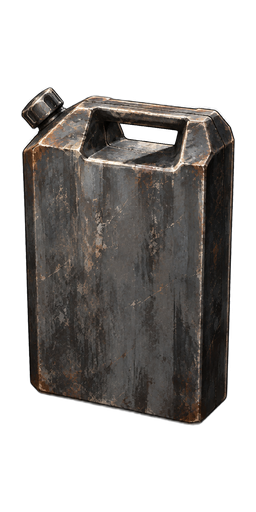 Propane Gas RefillA propane gas refill. Fuels the gas stove and the chemistry station.
Key materials
Selected items: 25
- Iron OreSmelt iron ore in a furnace to make iron bars.
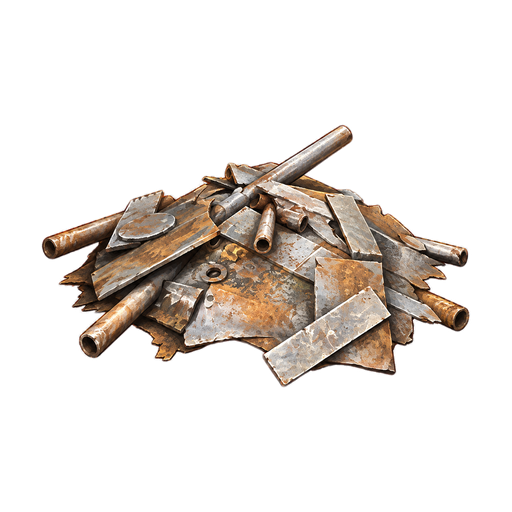 Scrap MetalUse for crafting, or smelt in a furnace to make iron bars.
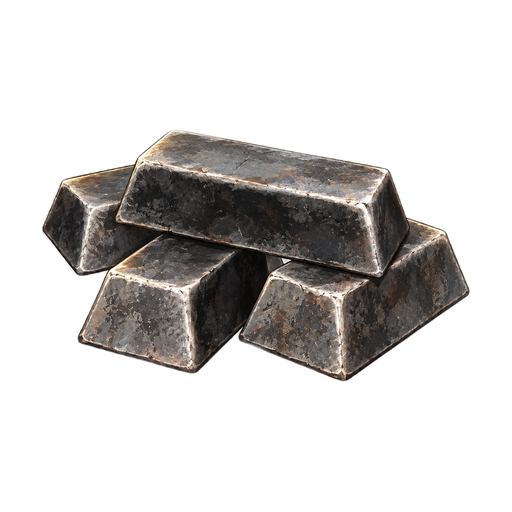 Iron BarSmelted iron bars.
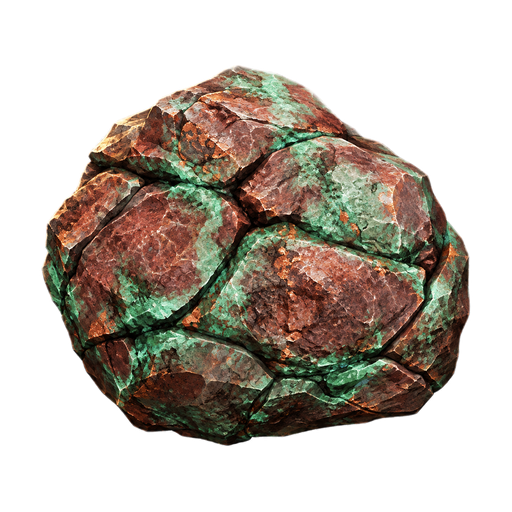 Copper OreSmelt copper ore in a furnace to make ingots.
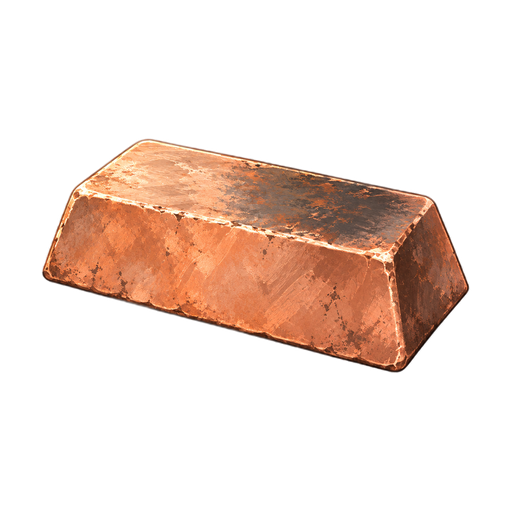 Copper IngotA copper ingot for crafting or trade.
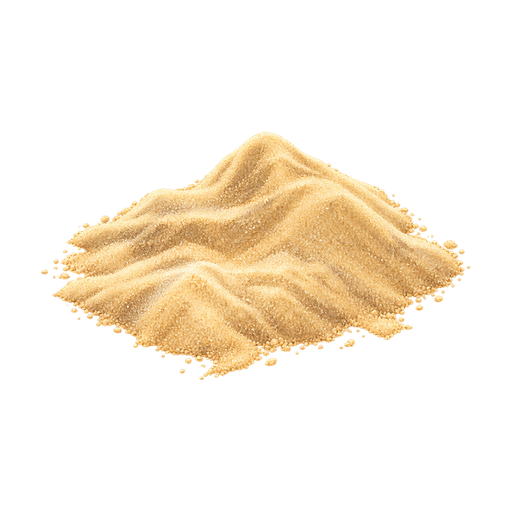 SandSand. Smelts into glass in an Iron Furnace.
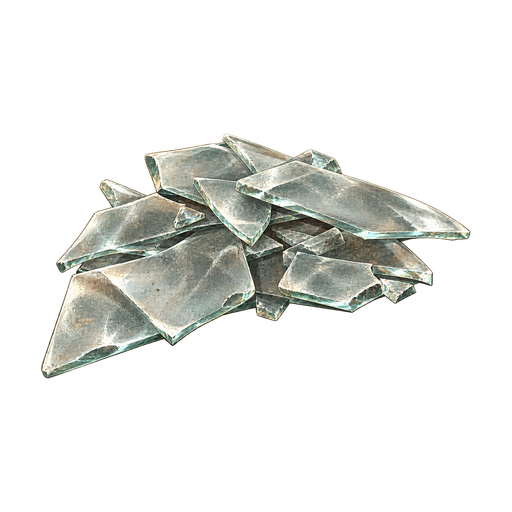 GlassGlass. Smelt sand in an Iron Furnace, or salvage it from glass junk at a Recycler or Extractor.
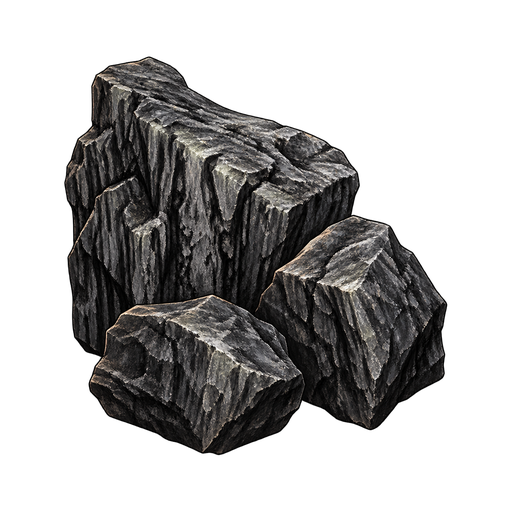 CoalCharcoal from burnt wood, used for crafting.
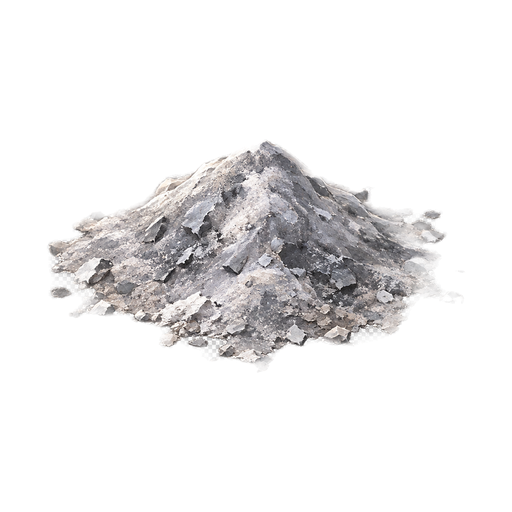 AshAshes left over from burning.
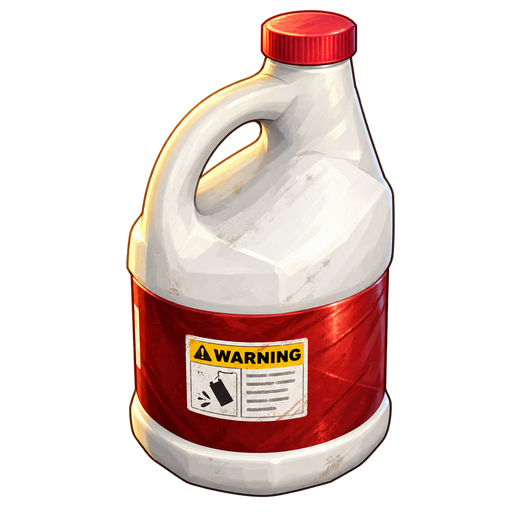 Copper SulphideA mixture of copper, sulphur and nitrate that can be converted to lead at the chemical station.
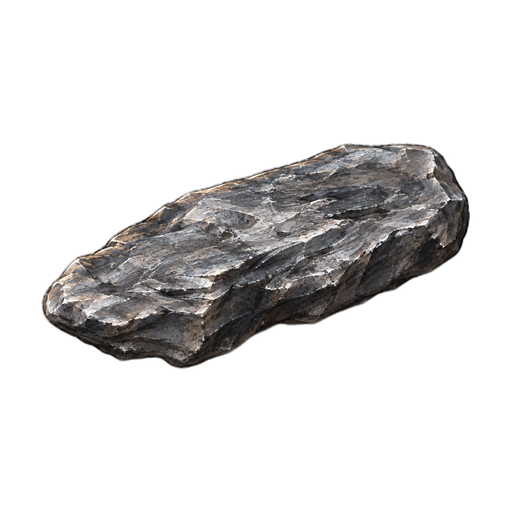 LeadA lump of lead.
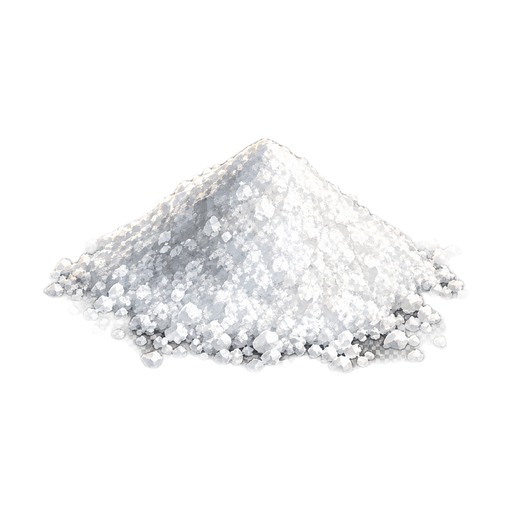 NitratePotassium nitrate (KNO3).
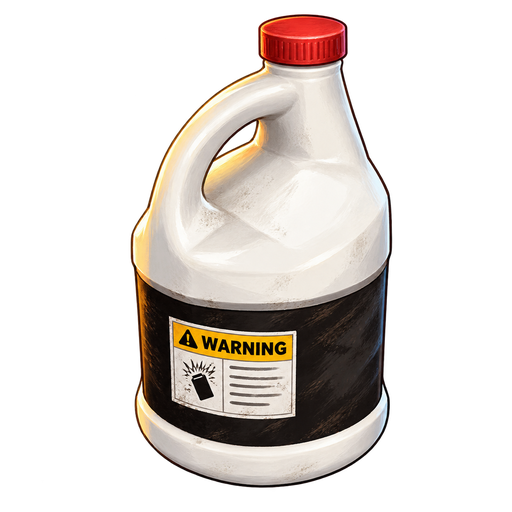 Gunpowder MixtureThe mixed base elements of gunpowder ready to be compounded.
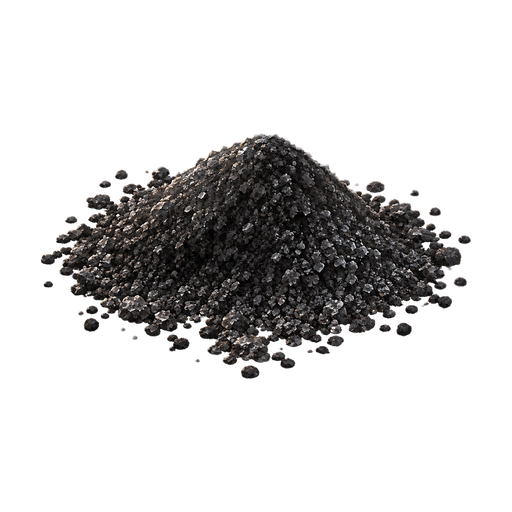 GunpowderGunpowder for crafting ammunition
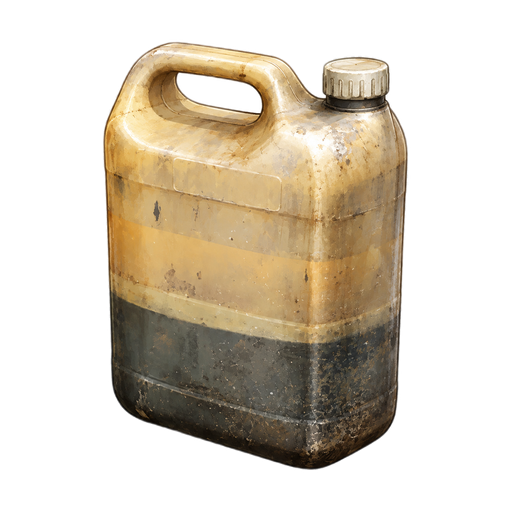 Crude OilCrude oil that can be used for crafting. Harmful to drink.
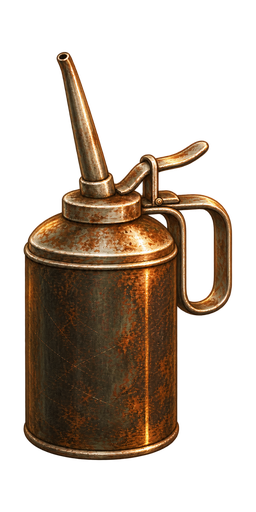 Refined OilRefined oil for crafting. Harmful to drink.
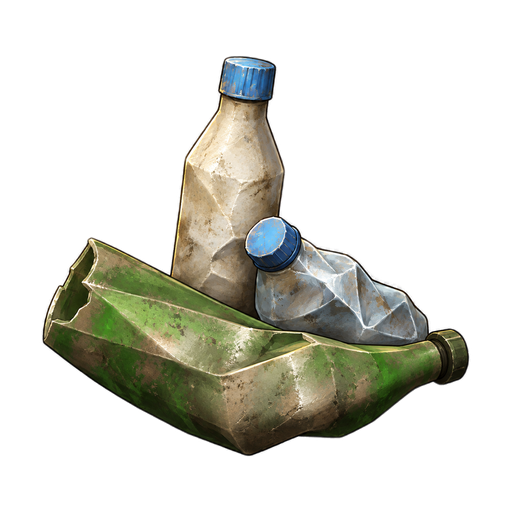 PlasticUsed for crafting and repairing plastic items
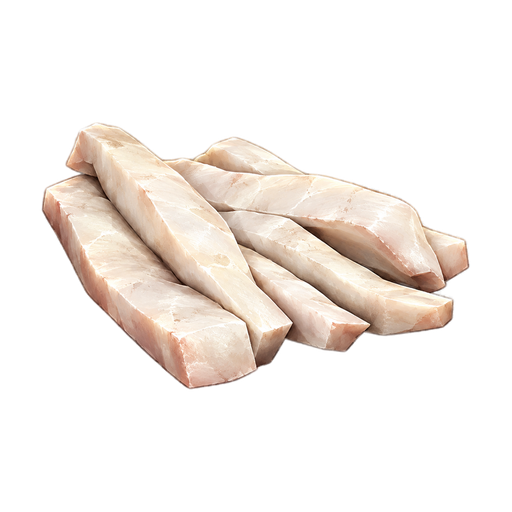 Animal FatCook animal fat on a campfire to make biofuel.
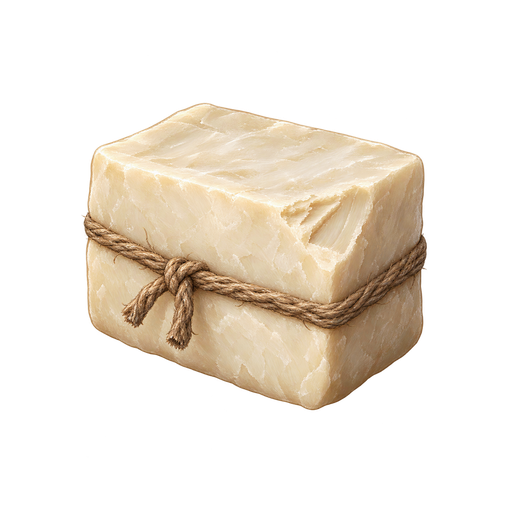 TallowAnimal fat rendered over a campfire. Slow-burning fuel for candles, lanterns and lamps.
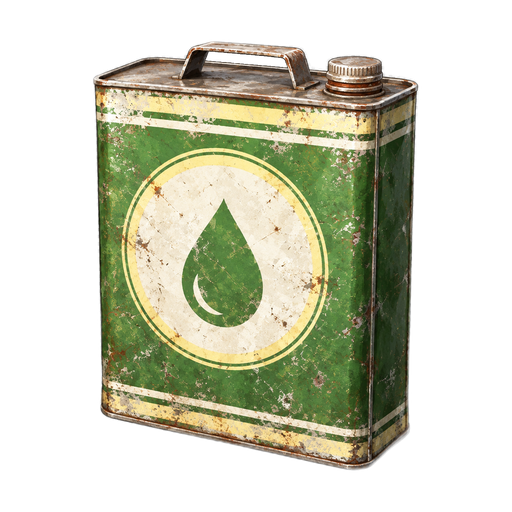 BiofuelA slow-burning fuel. Harmful to drink.
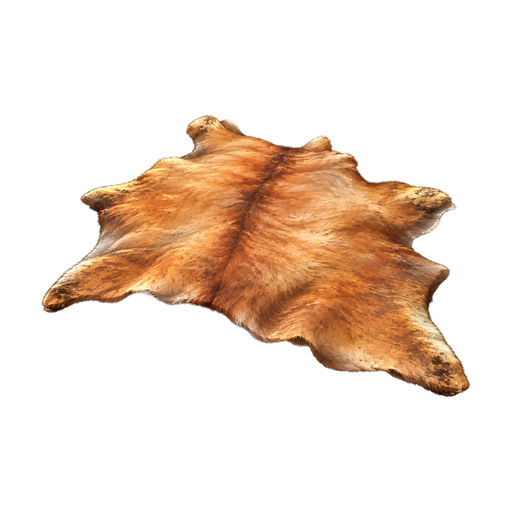 HideHide from an animal.
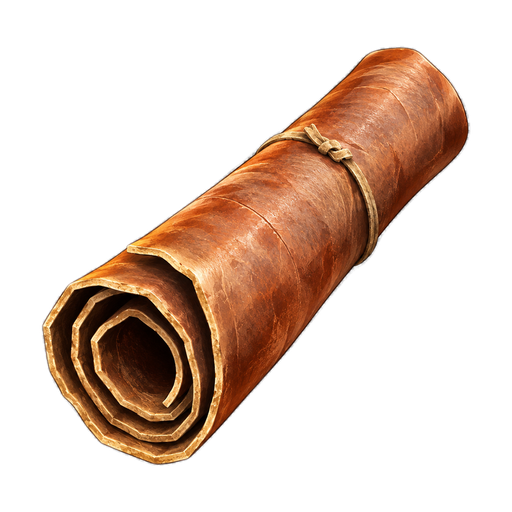 LeatherLeather worked from an animal hide.
 Spoiled Food BundleA heap of spoiled food. Eating it risks sickness.
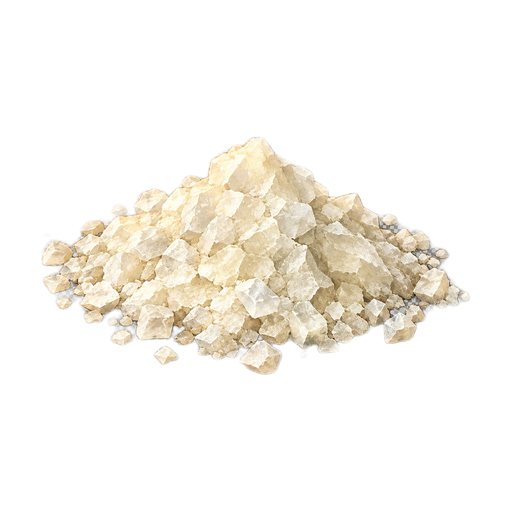 AmmoniumAmmonium from decomposed organic matter.
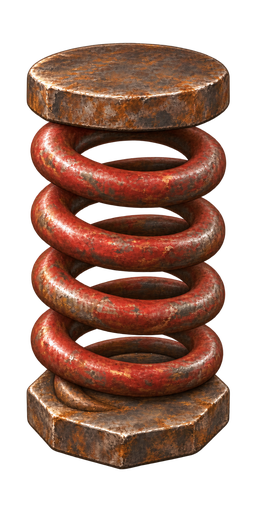 Coil SpringCoil Spring. Craft two from an Iron Bar at a Crafting Bench, or find them in vehicles and workshops.
Skills
3