Dangerous and harmless animals, and what they leave behind.
Dangerous wildlife
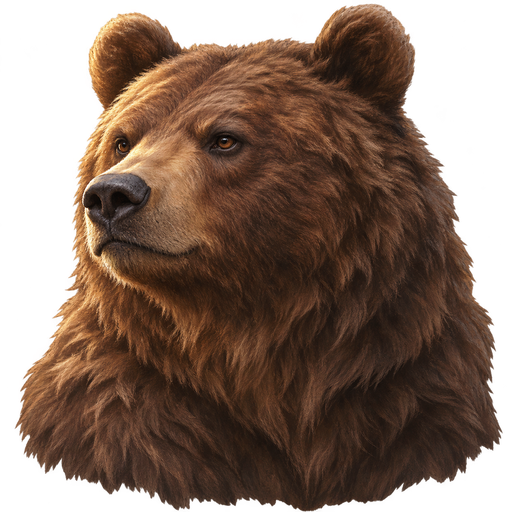
Bear
Huge health, crushing bites and a charge that outruns a sprint.
A dangerous large predator.
Bears are hostile wildlife that pursue and bite at close range. They are a risky target for an unprepared hunter, especially without a retreat route.
Where you meet them
Roaming the wilds; uncommon.
Drops
Plenty of raw meat, hides, animal fat and bones.
Behaviour
A badly wounded bear can break off; moving away does not prove the area safe.
Practical advice
Keep distance and a route to shelter; avoid trading close blows.
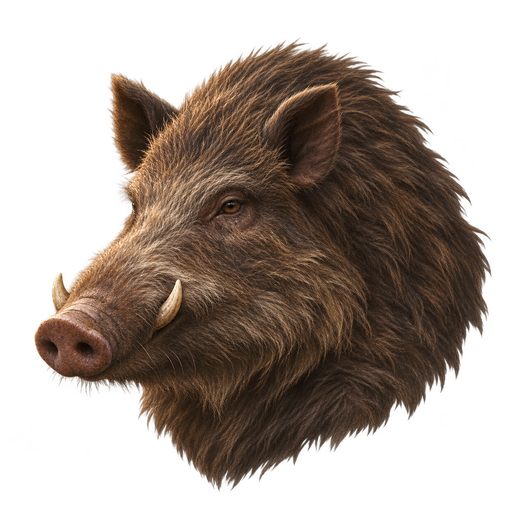
Boar
Heavy bites and a fast charge for its size.
An aggressive animal with a close-range attack.
Roaming boar are hostile wildlife. Their low bodies and short approach make careless hunting risky, especially when a player is already injured or short of stamina.
Where you meet them
Roaming the wilds.
Drops
Plenty of raw meat, hides, animal fat and bones.
Behaviour
They pursue threats and can break away when badly hurt.
Practical advice
Leave room to react, watch its direction and inspect your wounds after contact.
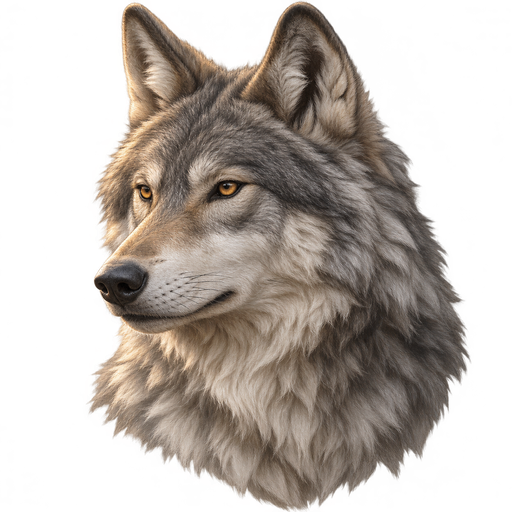
Wolf
Hunts in packs that flank and surround, mostly at night.
A predator that can hunt with nearby pack members.
A visible wolf may not be alone. Roaming packs can pull nearby wolves into an engagement when one commits to a target, making tunnel vision dangerous.
Where you meet them
Roaming the wilds in packs, far more often at night.
Drops
Raw meat, hides, animal fat and bones.
Behaviour
Wolves pursue and bite moving targets; packs are more common at night.
Practical advice
Watch the pack, avoid being surrounded and use closed shelter when available.
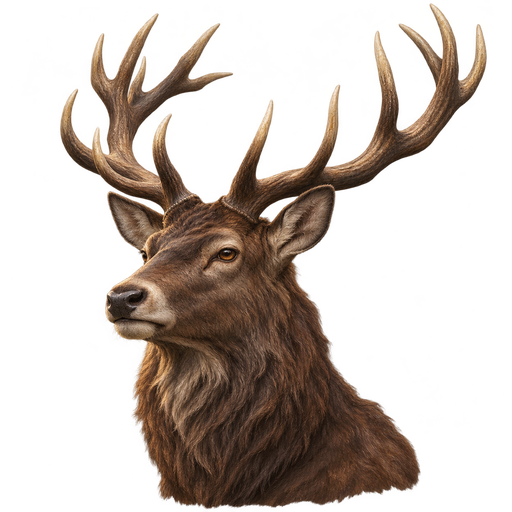
Night Stag
Charges and butts with its antlers, though it often bluffs first.
An aggressive antlered deer encountered at night.
Unlike ordinary prey deer, this stag is hostile wildlife. Its antlers and night-time appearance are reasons to keep distance rather than walk up to it as harmless game.
Where you meet them
Roaming the wilds at night only.
Drops
Raw meat, hides, animal fat and bones.
Behaviour
It can pursue and attack, then break off when wounded.
Practical advice
Keep an escape route and enough space to move away.
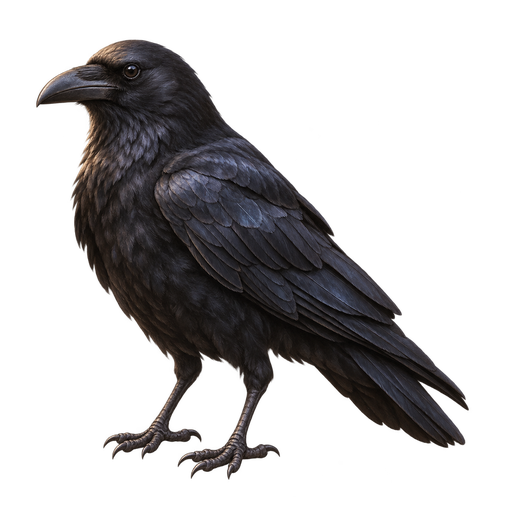
Crow
Dives and rakes from above, then leaves after one attack run.
A flying threat that attacks players.
Crows are hostile wildlife rather than harmless background birds. They can dive and rake a player, bringing danger from above an otherwise clear route.
Where you meet them
In the sky by day, away from storms.
Drops
Feathers, a little raw meat, sometimes a bone or a bird egg. A swoop at you can also shake loose a feather or two.
Behaviour
Flying encounters operate in daylight without storms; killed birds fall before becoming harvestable carcasses.
Practical advice
Watch the sky during attacks and move to cover before treating injuries.
Harmless wildlife
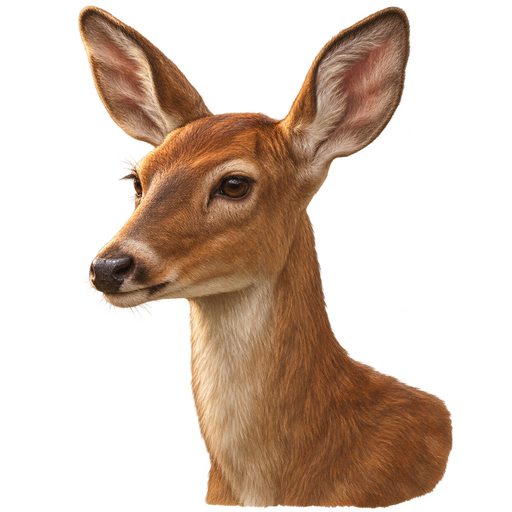
Deer
Prey that flees and never attacks.
Ordinary deer are prey that flee danger.
The usual roaming deer is passive wildlife rather than an attacker. Distinguish it from the aggressive antlered stag encountered at night before treating an animal as harmless.
Where you meet them
Roaming the wilds; common.
Drops
Raw meat, hides, animal fat and bones.
Behaviour
Threatened prey deer flee; wildlife can notice a nearby crouching hunter.
Practical advice
Approach quietly and avoid chasing blindly into another threat.
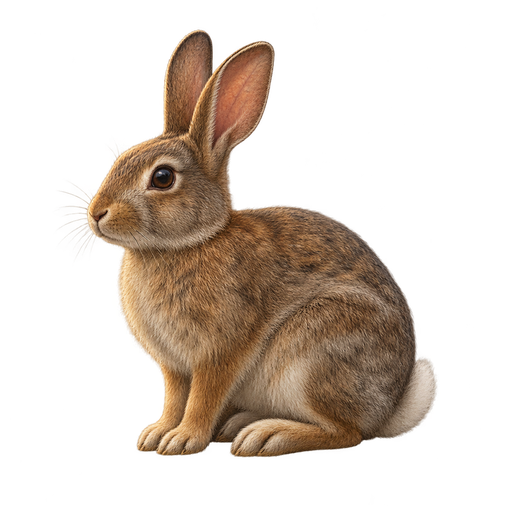
Rabbit
Harmless prey that flees.
Small prey that flees instead of attacking.
Rabbits are passive wildlife and can be hunted for carcass resources. Their small size rewards careful observation rather than rushing through undergrowth and losing track of the target.
Where you meet them
Roaming the wilds; common.
Drops
A little raw meat, a small hide and sometimes a bone.
Behaviour
Nearby threats cause flight; crouching does not make hunters completely silent to wildlife.
Practical advice
Check the surroundings before harvesting: safe quarry does not guarantee a safe location.
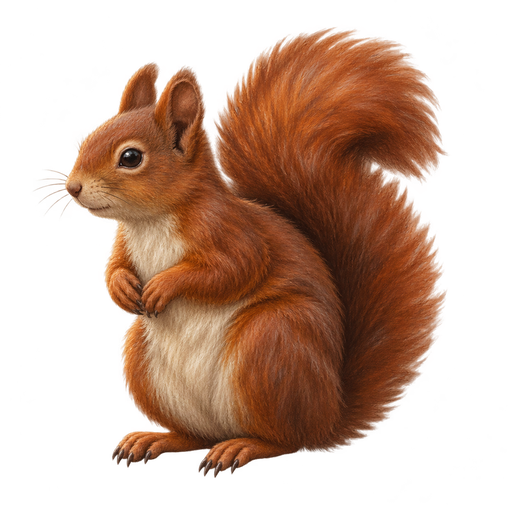
Squirrel
Harmless prey that flees.
Small, passive wildlife found while exploring.
Squirrels are prey animals with no attack. They can provide carcass resources, but their small bodies are easy to lose sight of while moving through vegetation or uneven ground.
Where you meet them
Roaming the wilds; common.
Drops
A little raw meat, a small hide and sometimes a bone.
Behaviour
They flee threats, and nearby wildlife can hear a crouching approach.
Practical advice
Slow down before hunting and locate the body before moving in to harvest.